A Life Built on Standards
Nickolas “Nick” Plooster did not drift into leadership. He earned it — quietly, steadily, and long before most people noticed.
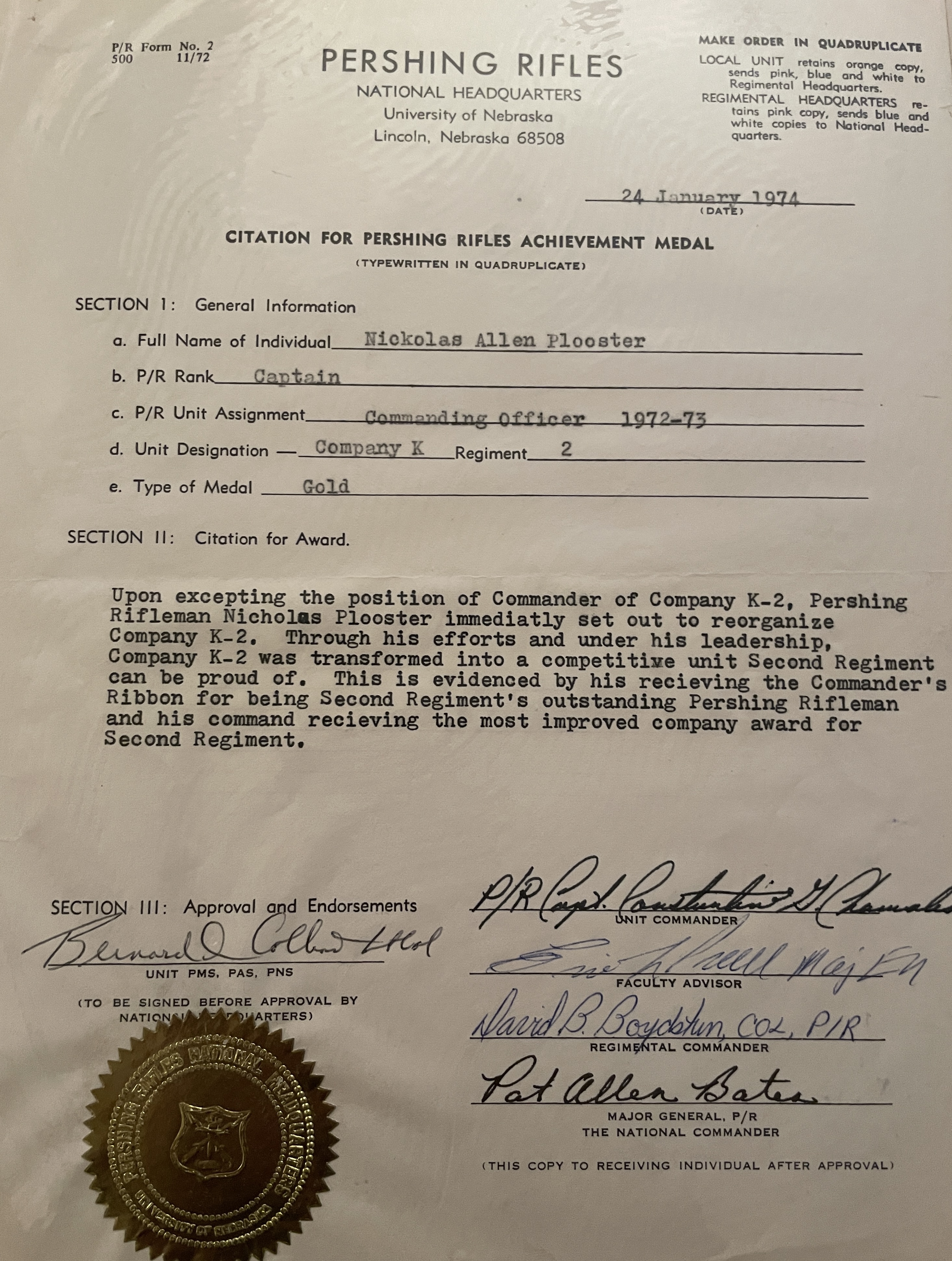
In 1970, as a young man from Platte, South Dakota, he was awarded a highly competitive four-year Army ROTC scholarship. That scholarship was not simply financial aid. It was an early recognition that he possessed the discipline, intellect, and character the United States Army was willing to invest in. Even then, his path was becoming clear.
At South Dakota State University, Nick did not blend into the background. He rose.
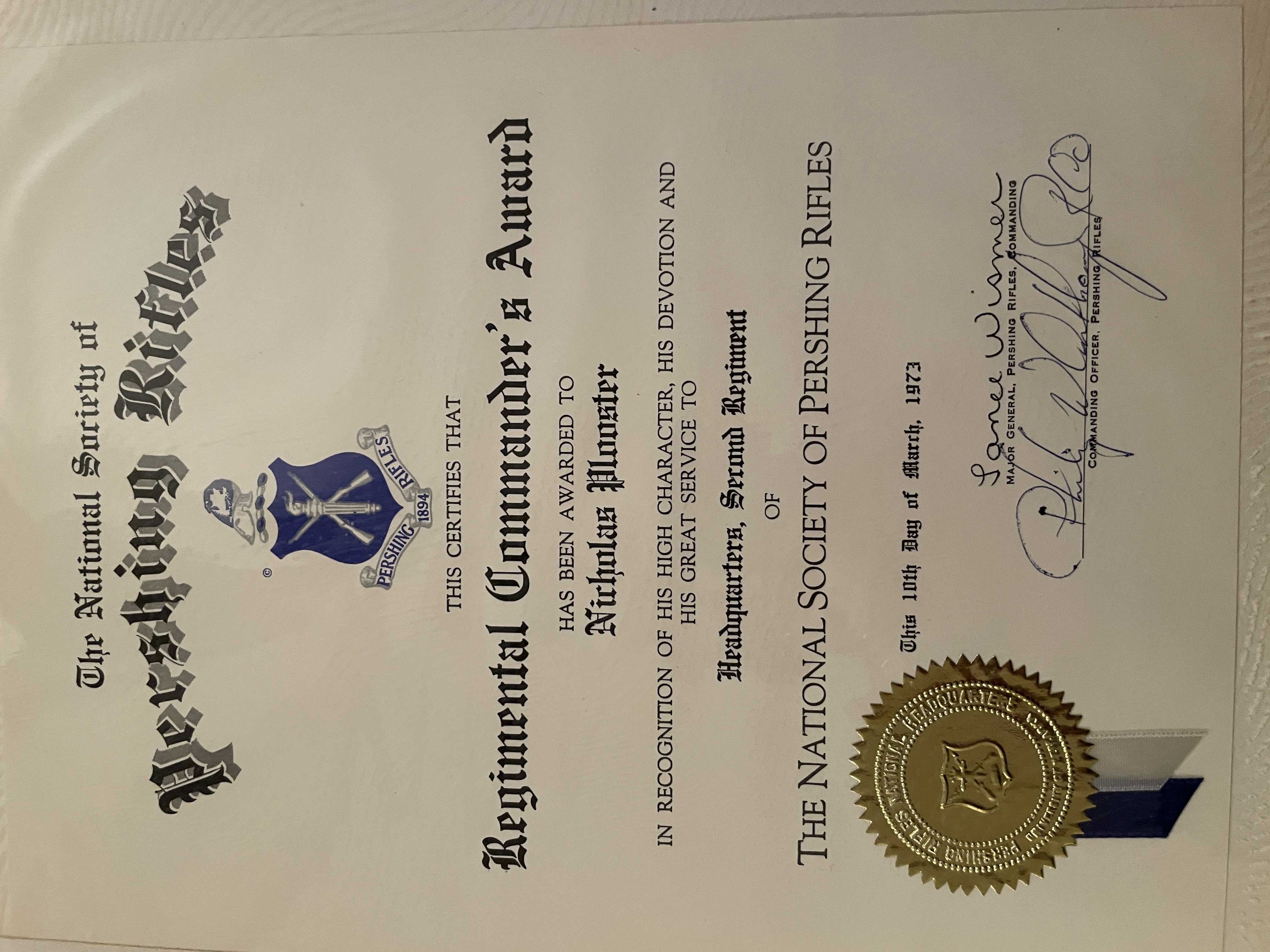
As Cadet Colonel — the highest-ranking cadet in the program — he was responsible not only for his own performance but for the leadership and training of those around him.
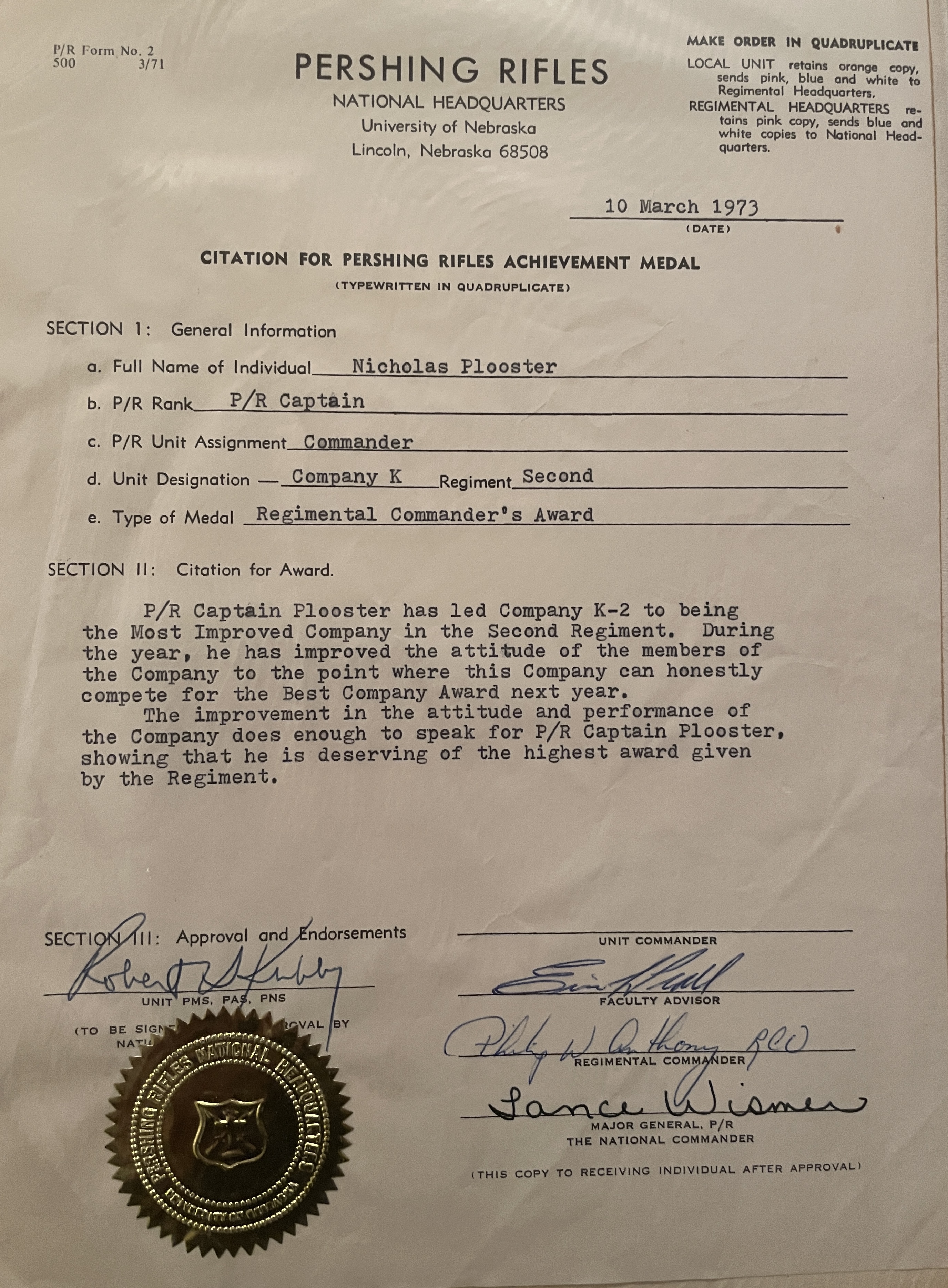
He earned the Army ROTC Superior Cadet Decoration Award, recognizing him as the outstanding cadet of his class. He was inducted into Scabbard and Blade, the National Military Honor Society reserved for those who combined academic excellence with demonstrated leadership in military training.
Those distinctions were not symbolic. They meant his instructors and senior officers believed he was capable of command.
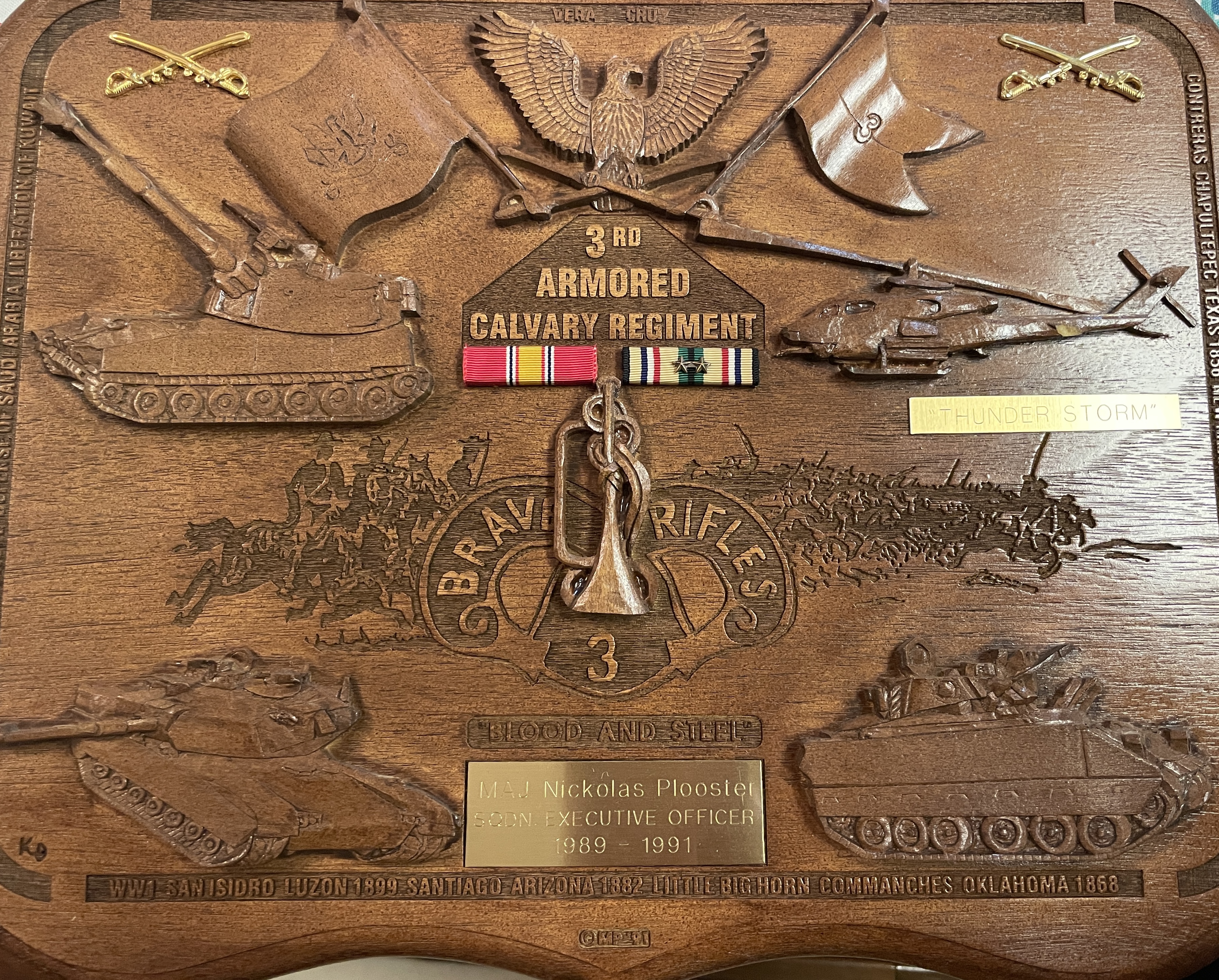
In December 1974, he was commissioned as a Regular Army Second Lieutenant. In the commissioning photo, his parents stand beside him — proud, steady, aware that something significant had begun. That moment marked the formal transition from promise to responsibility.
Over the decades that followed, Nick’s service matured into something larger than rank alone. He advanced through the officer corps, ultimately serving as a Lieutenant Colonel. With promotion came trust. With trust came influence.
One of the clearest examples of that influence came later in his career, when he played a central role in the development, editing, and coordination of Army Regulation 350-50 — the Combat Training Center Program. For those outside the military, that might sound administrative. It was not.
The Combat Training Centers are where units prepare for war. They are where doctrine meets reality. AR 350-50 governs how those centers operate — how brigades are trained, evaluated, and prepared for combat readiness. When Headquarters, Department of the Army published that regulation on April 4, 2013, it formalized standards that shape how the Army prepares its soldiers for the most serious responsibilities a nation can ask of them.

Nick’s work on that regulation was not a minor contribution. It required diligence, precision, coordination across commands, and the kind of steady leadership that rarely makes headlines but ensures that institutions function correctly. For that effort, he received a Certificate of Achievement from the Combat Training Center Directorate. The award recognized his “outstanding diligence and conscientious efforts” — language that perfectly described how he approached his work.
He was not flashy. He was thorough.

The seal of the Department of the Army — dating to 1775 — appears on many of his recognitions. That seal represents continuity across generations of soldiers. Nick became part of that long line — not simply serving within the institution, but shaping it.

Even his early achievements tell the same story. The varsity letter, the athletic pins, the academic honors — they reflect a young man who did not do things halfway. Whether in athletics, academics, or leadership, he committed. He prepared. He followed through.
That same commitment carried into his personal pursuits.
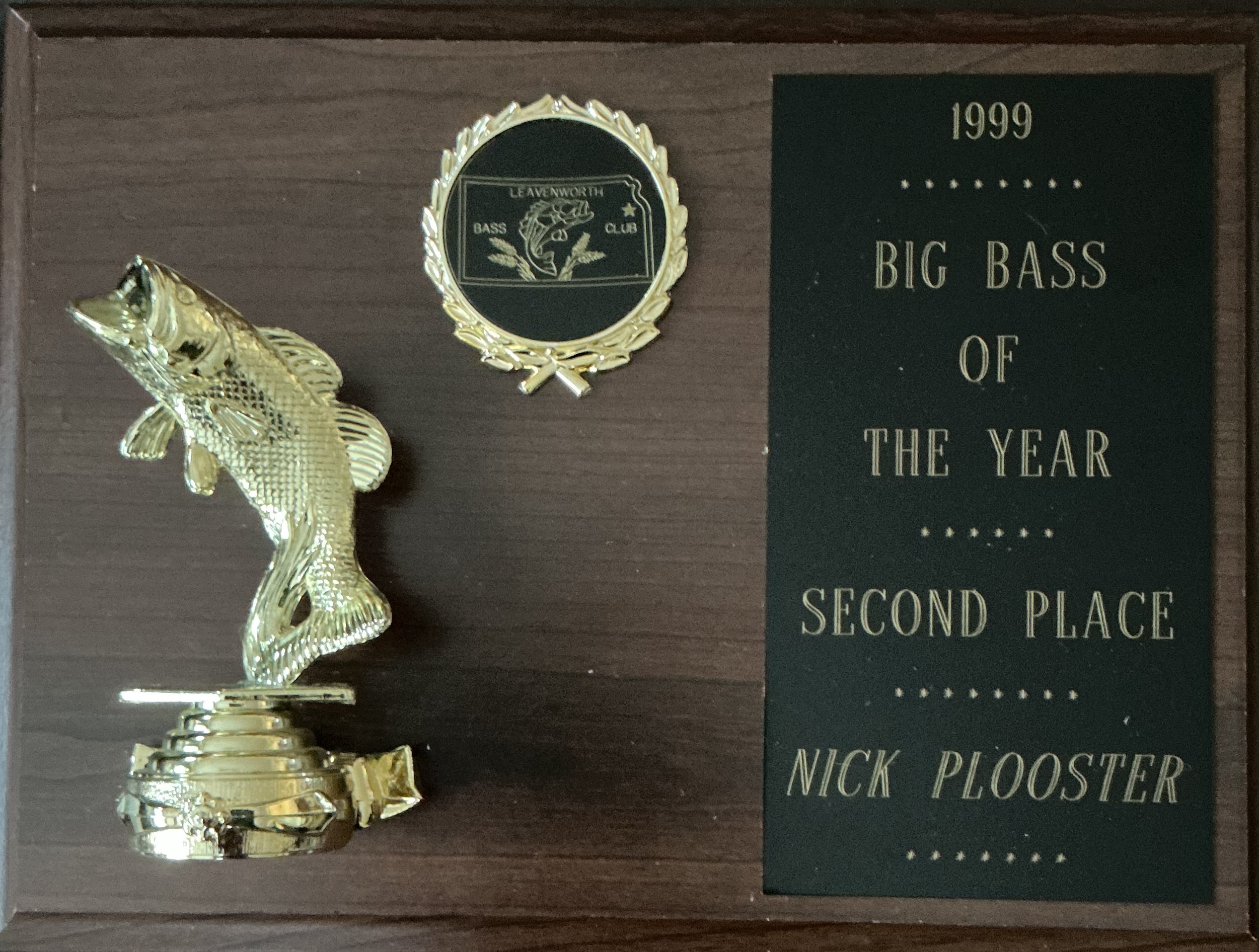
Nick did not approach the outdoors casually. Fishing, like leadership, required patience, preparation, and respect for standards. And once again, he rose to them.
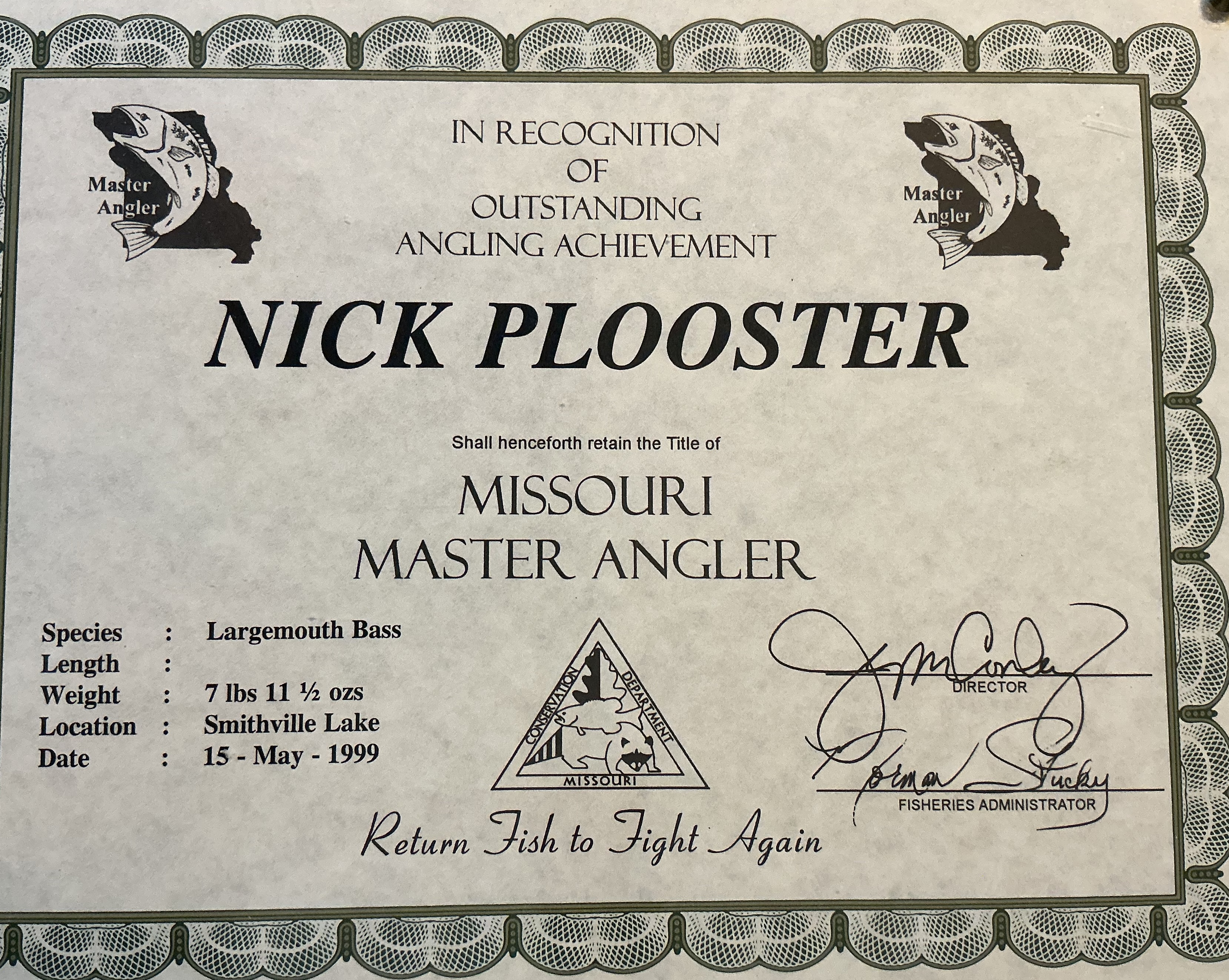
In May of 1999, at Smithville Lake, he earned the title of Missouri Master Angler for landing a 7 pound, 11½ ounce Largemouth Bass — a recognition awarded only to those who meet strict size qualifications established by the Missouri Department of Conservation.
It was not a one-time achievement.
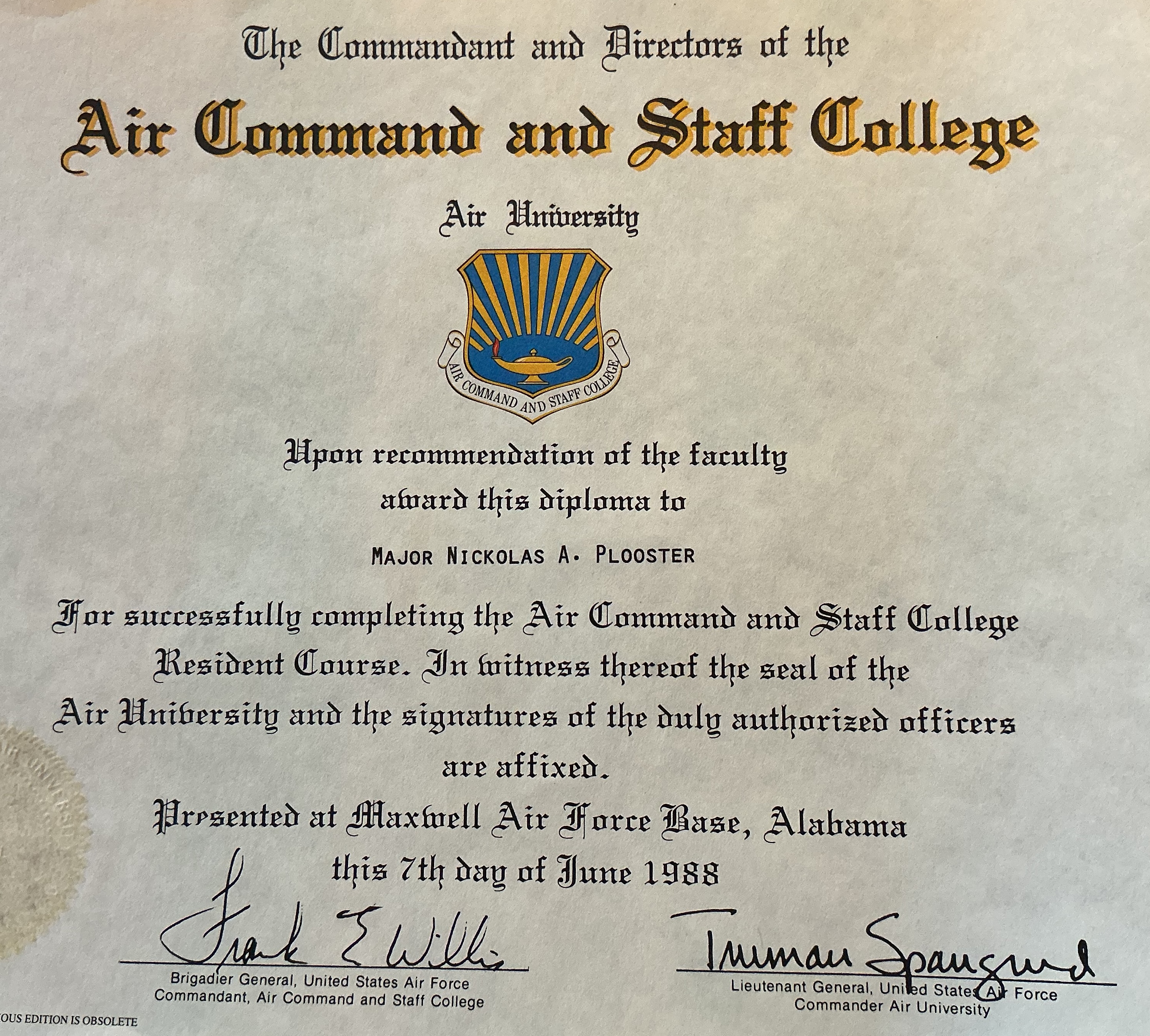
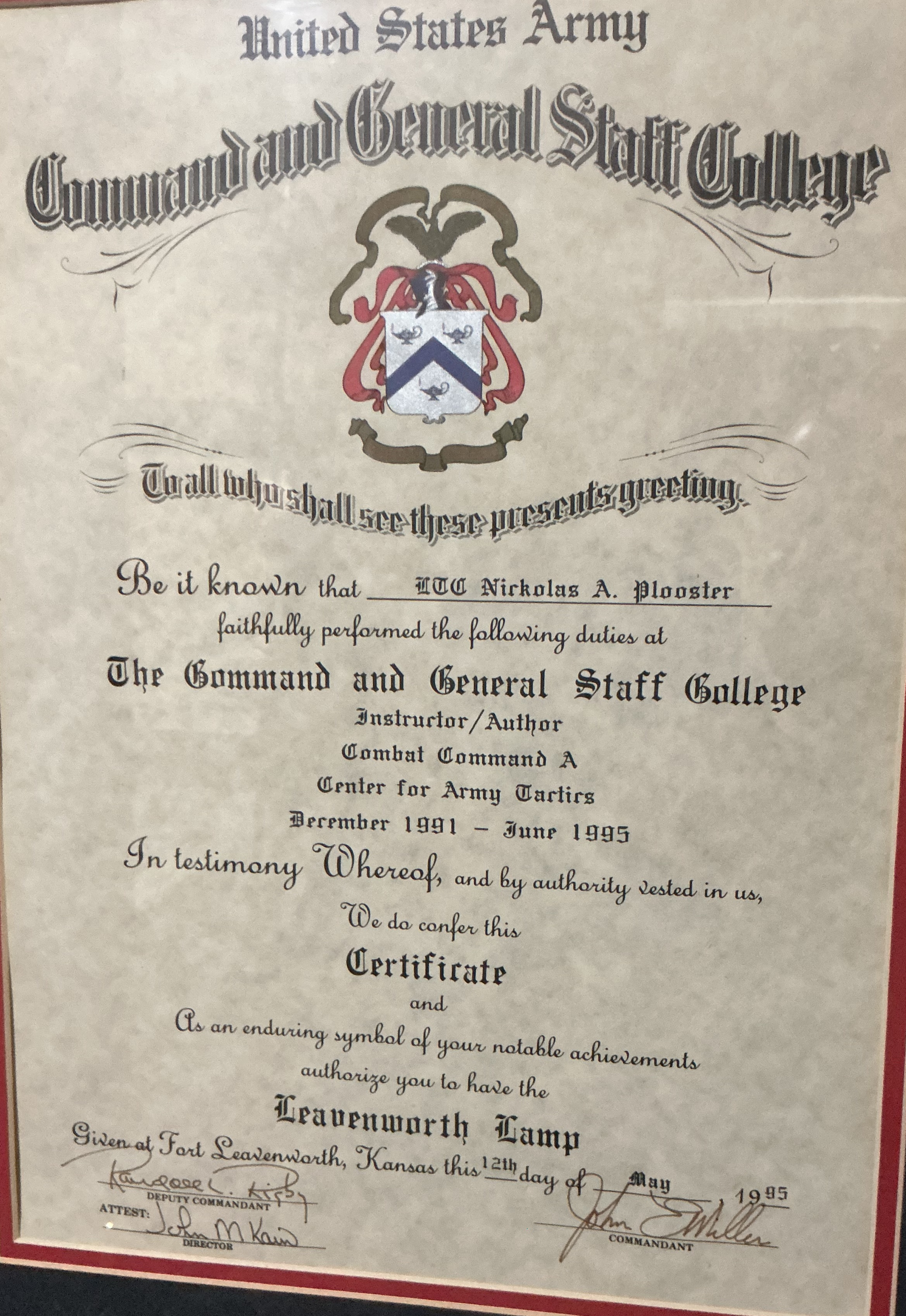
Over time, he earned multiple Master Angler distinctions across species — evidence of persistence, knowledge of the craft, and the steady patience required to master an environment that does not reward shortcuts.
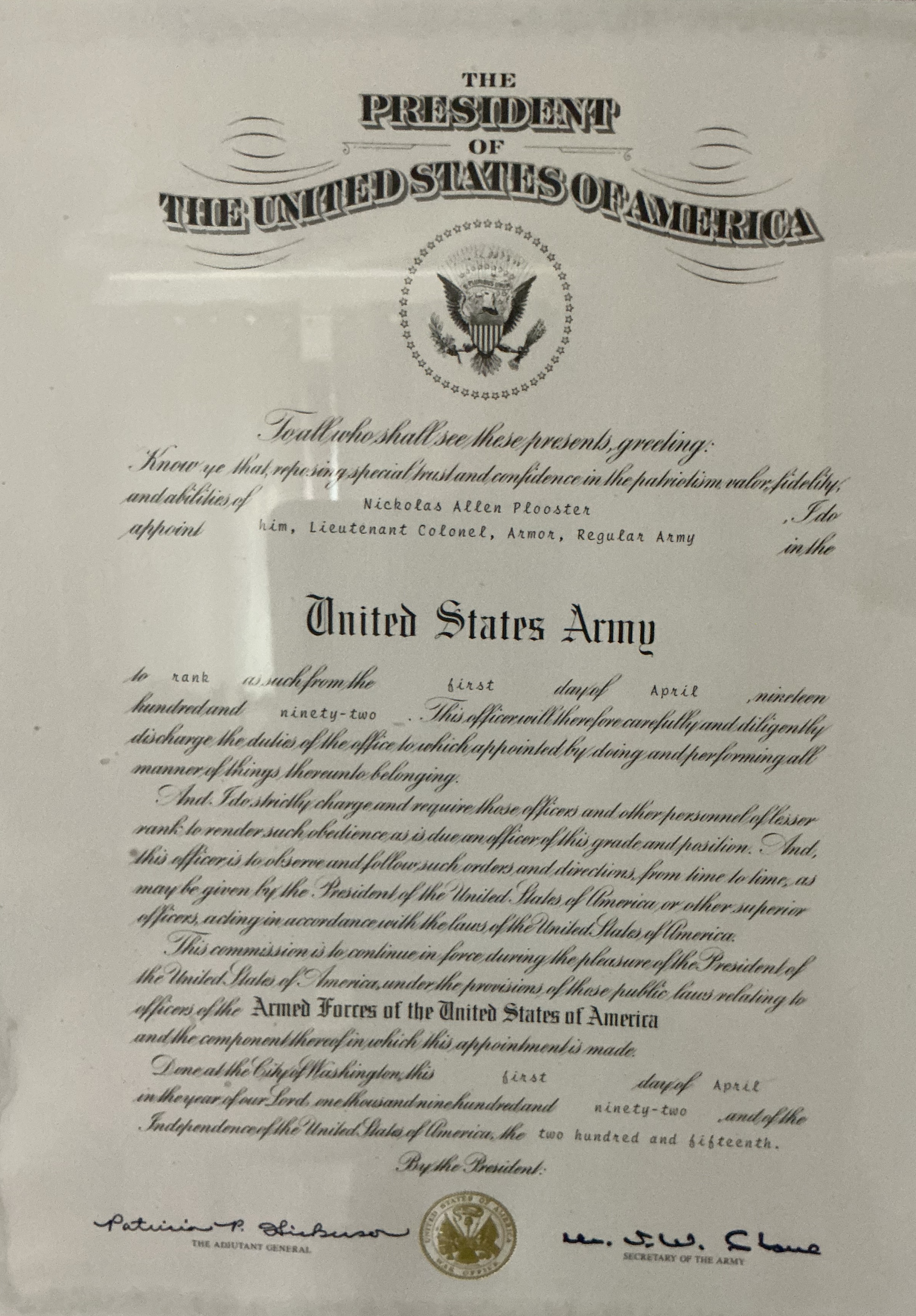
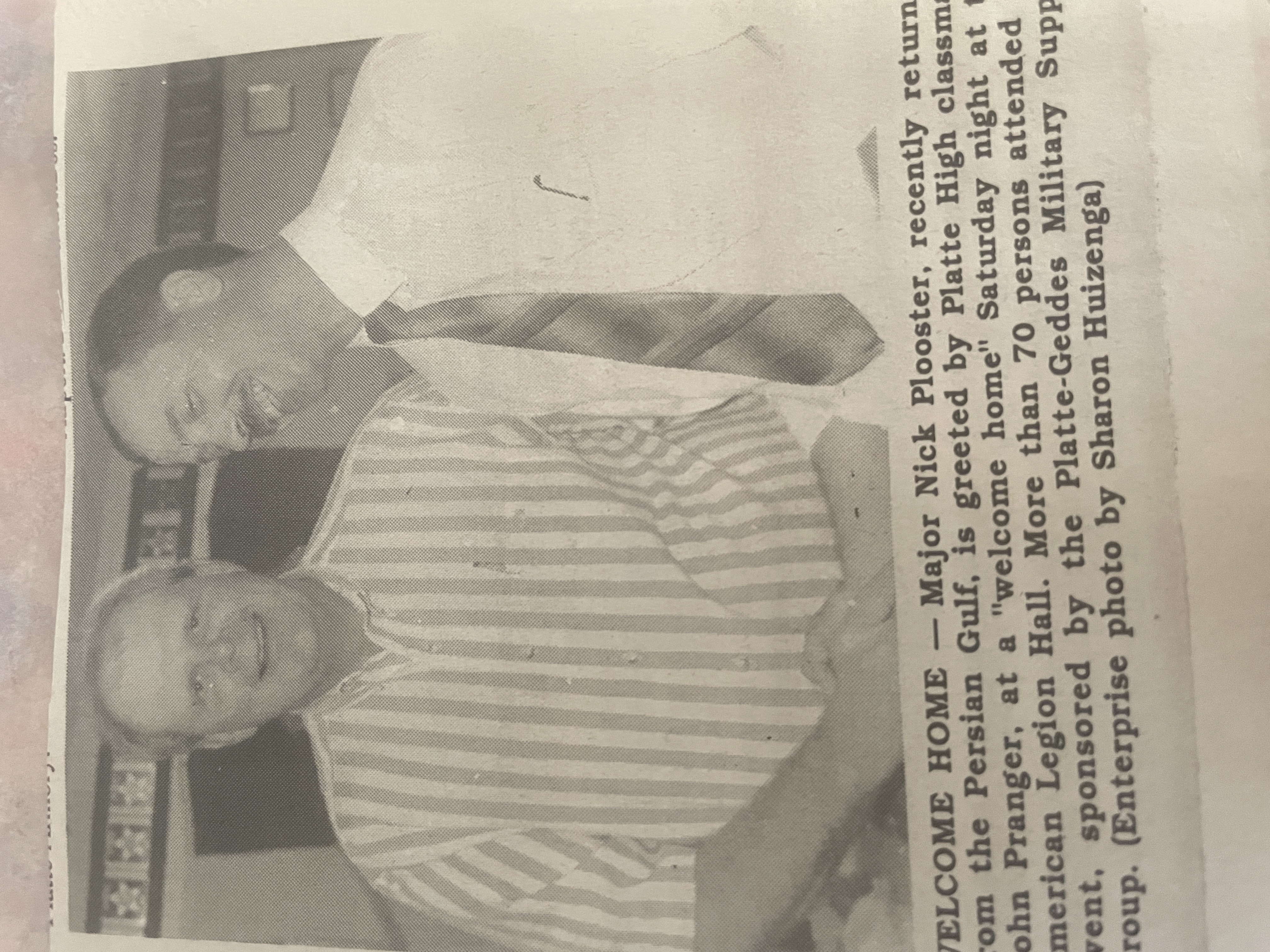
These recognitions were not about trophies. They reflected something consistent throughout his life — if a standard existed, he met it.
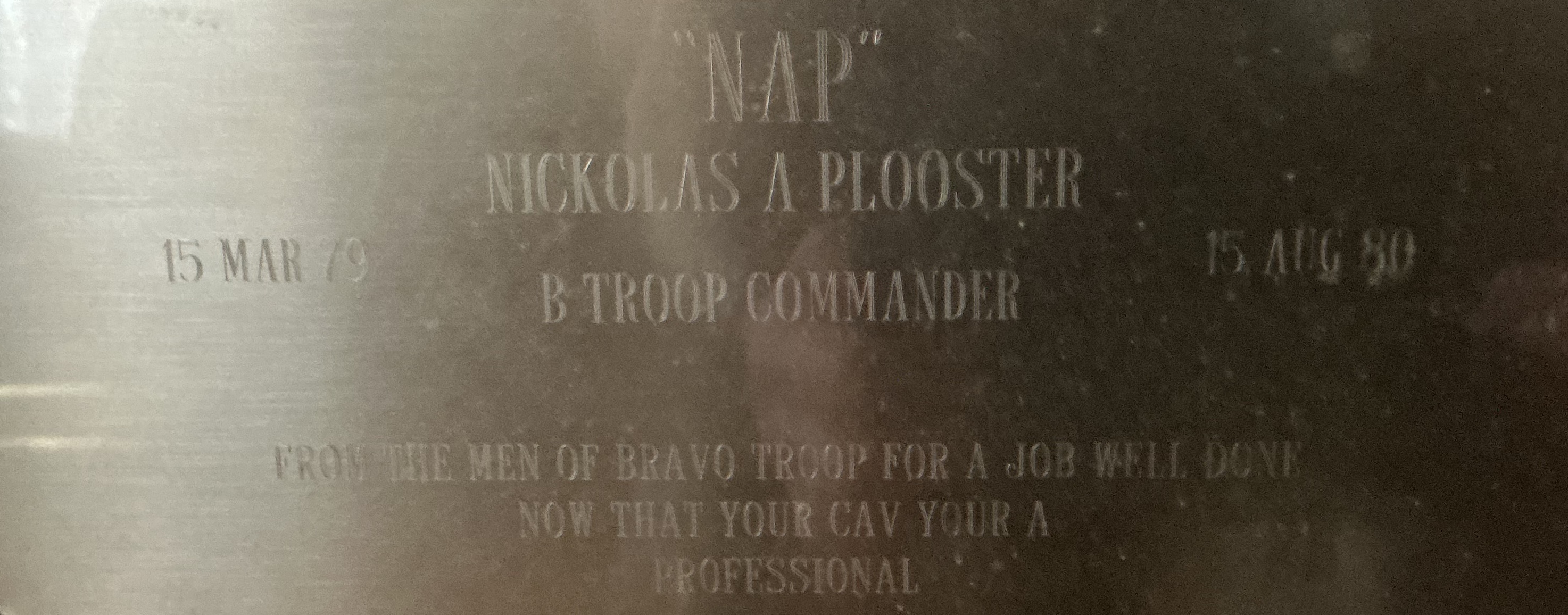
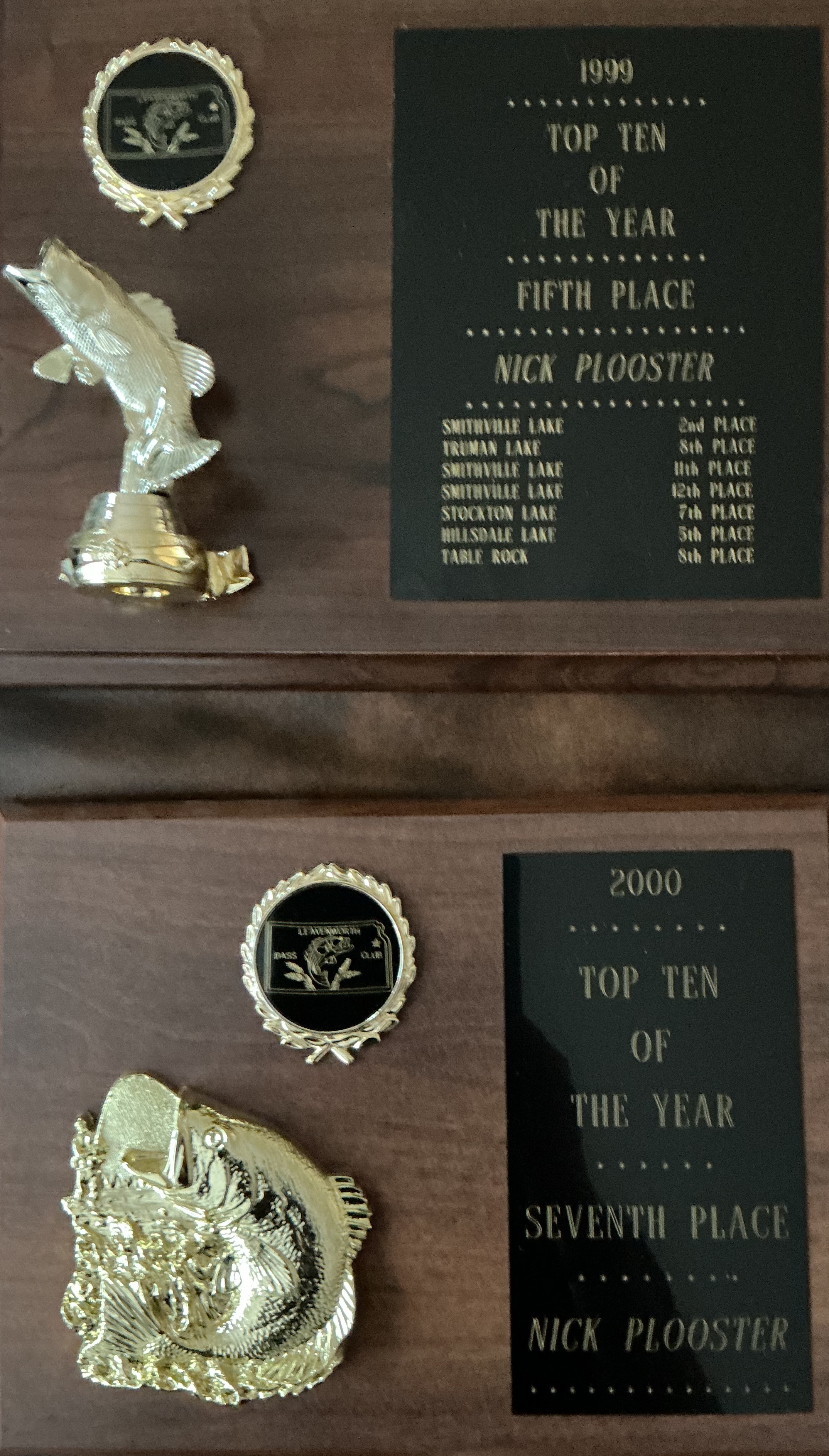
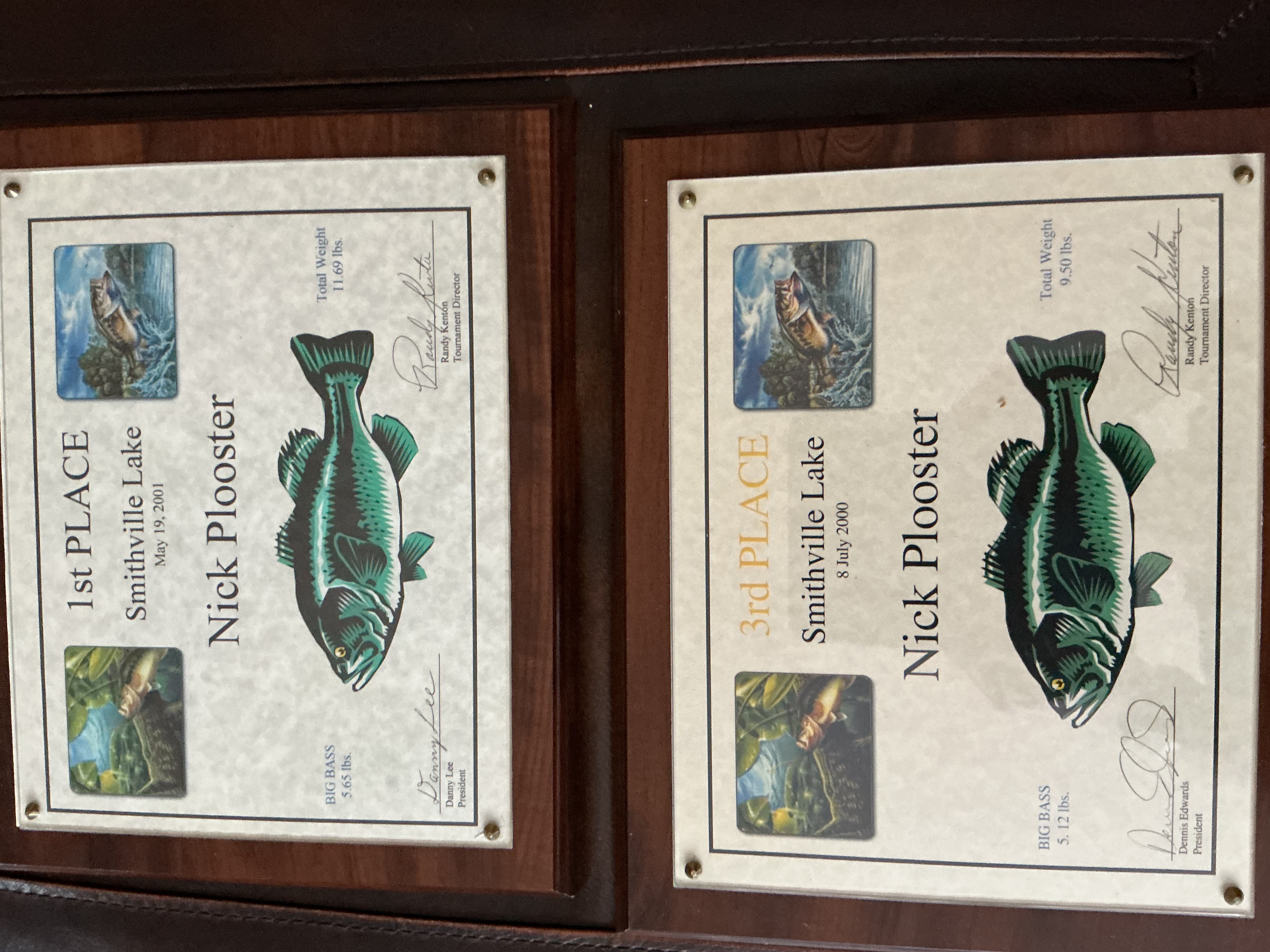
Whether in uniform, in academic halls, or standing quietly at the edge of a lake, Nick carried the same internal measure: prepare well, be patient, execute with discipline.
But the deeper story is not found in certificates.
It is found in identity.
Nick did not treat the Army as a job. It was a framework for how he lived. Standards mattered. Discipline mattered. Words meant something. Responsibilities were not suggestions.
His accomplishments reflect a man trusted at every stage of his life — trusted as a cadet, trusted as a commissioned officer, trusted as a field-grade leader, trusted to help write the doctrine that prepares soldiers for combat. That trust was earned year after year.
Behind the rank of Lieutenant Colonel was a young man from South Dakota who accepted a scholarship and chose a life of responsibility.
Behind the regulation published by the Department of the Army was a professional who cared enough to get it right.
Behind the certificates and seals was a husband, father, and grandfather whose identity was shaped by service — and whose quiet standard of discipline influenced everyone around him.
Nick’s life tells a consistent story: prepare well, lead faithfully, uphold the standard.
And he did — for decades.